What exactly is asphalt milling?
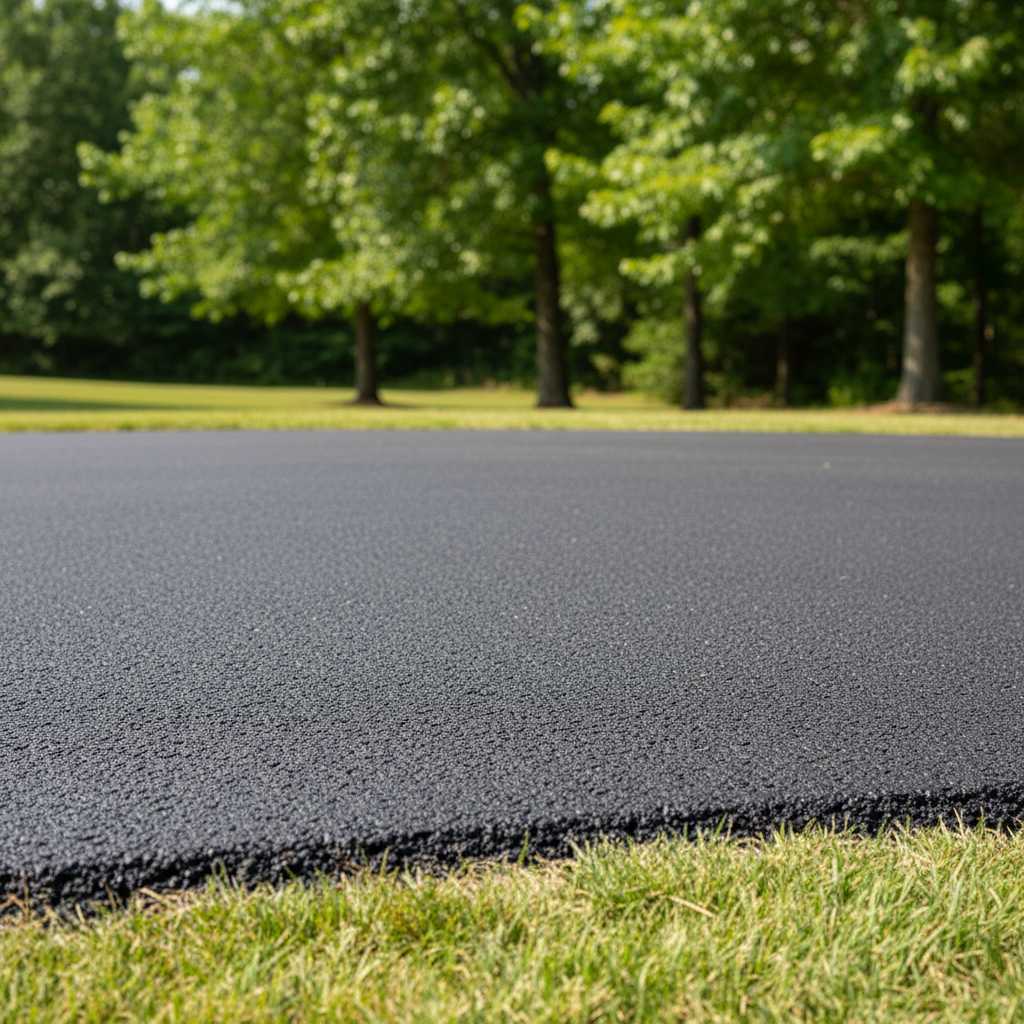
Alright, let's just get straight to it. Asphalt milling, or cold planing as some folks might call it, is basically shaving off the very top layer of your existing asphalt pavement. We use a specialized machine for this, one with a big rotating drum that's got a bunch of teeth on it. It grinds up that old, worn-out asphalt surface to a specific depth, leaving behind a rough, textured surface. Think of it like a giant cheese grater for your driveway, you know? We do this to remove damaged layers, fix drainage problems, or get a surface ready for a new layer of asphalt without having to rip out the whole thing.
Why would I choose milling over a full tear-out and replacement?
That's a smart question, and honestly, it's one I hear a lot. For homeowners, milling often just makes more sense for a few key reasons. First off, it's usually less expensive. You're not paying for the full excavation and getting rid of all that old material. Second, it's quicker. We can mill a driveway much faster than we can dig out and rebuild a whole new one from scratch. Third, it's better for the environment because we can often recycle the milled asphalt (we call them 'millings') right there on site, or take them to be processed elsewhere. Plus, if your base layer is still solid, there's no need to disturb it. We just fix the surface, simple as that.
Is milling a good option for every driveway?
Not always, no. While it's fantastic for many situations, it's not some kind of magic fix. Milling works best when the underlying base of your driveway is still in good shape. If you've got extensive structural damage—like really bad cracking, potholes that go all the way through, or a failing base that's causing big dips and humps—then milling probably won't be enough. In those cases, you're likely looking at a full tear-out and rebuild to get to the root of the problem. I'll always come out and take a good, hard look before recommending anything, especially with the clay soils we have around Fayetteville that can cause real headaches if not handled right.
What happens to the old asphalt that gets milled up?
That's the beauty of it! The material we mill off, those asphalt millings, are super recyclable. We typically collect them and either haul them off to a recycling facility or, in some cases, they can be reused right there on your property. Think temporary access roads, shoulders, or even a new gravel driveway base if that's what you're after. They compact really well and make a surprisingly durable surface. It's a win-win because it reduces waste and can sometimes even save you a bit on disposal costs.
How long does a milled and repaved surface last compared to a brand-new driveway?
When done correctly, a milled and repaved surface can last just as long as a brand-new driveway. Sometimes even longer, if we're working with a really solid existing base. The key here is that the milling process removes those tired, top layers and gives us a fresh, clean surface for the new asphalt to bond to. It's not a patch job; it's a structural improvement. With proper maintenance, like sealcoating every few years, you should easily get 15-20 years out of it, just like a completely new installation. It all comes down to the quality of the work and the materials used for that new top layer, wouldn't you agree?
Will milling affect my driveway's height or drainage?
Absolutely, but in a good way! One of the main reasons we mill is to maintain or even improve your driveway's height and drainage. If we just paved over your existing asphalt, your driveway would get higher and higher with each new layer. That can cause real problems with garage door clearances, sidewalks, and the grade around your house, especially with the heavy rains we get here in Northwest Arkansas. Milling lets us remove a specific amount of material, so when we put down the new asphalt, your driveway ends up right at or very close to its original elevation. We can also use the milling process to correct minor drainage issues by adjusting the slope slightly before the new asphalt goes down.
How long does the milling and repaving process take?
The timeline really depends on the size of your driveway, but generally, it's a pretty efficient process. For a typical residential driveway, the milling itself can often be done in a single day, sometimes even just a few hours for smaller ones. Once the milling is complete and the surface is prepped, we can usually come back within a day or two to lay down the new asphalt. So, from start to finish, you're often looking at anywhere from two to five days of actual work time, depending on scheduling and, of course, the weather. We'll always give you a clear schedule upfront so you know exactly what to expect from Mighty Paving Solutions.
Can I drive on the milled surface before it's repaved?
You can, but I really wouldn't recommend it for long. The milled surface is rough and uneven. It's just not designed for regular traffic. While it's perfectly fine for our equipment and for you to carefully access your garage if absolutely necessary, it's not a smooth, comfortable driving surface. It can be a bit jarring on your vehicle, and it's also more susceptible to damage from heavy rain or unexpected traffic before the new asphalt is laid. We try to minimize the time between milling and repaving to avoid any issues and get your driveway looking great and fully functional as quickly as possible.