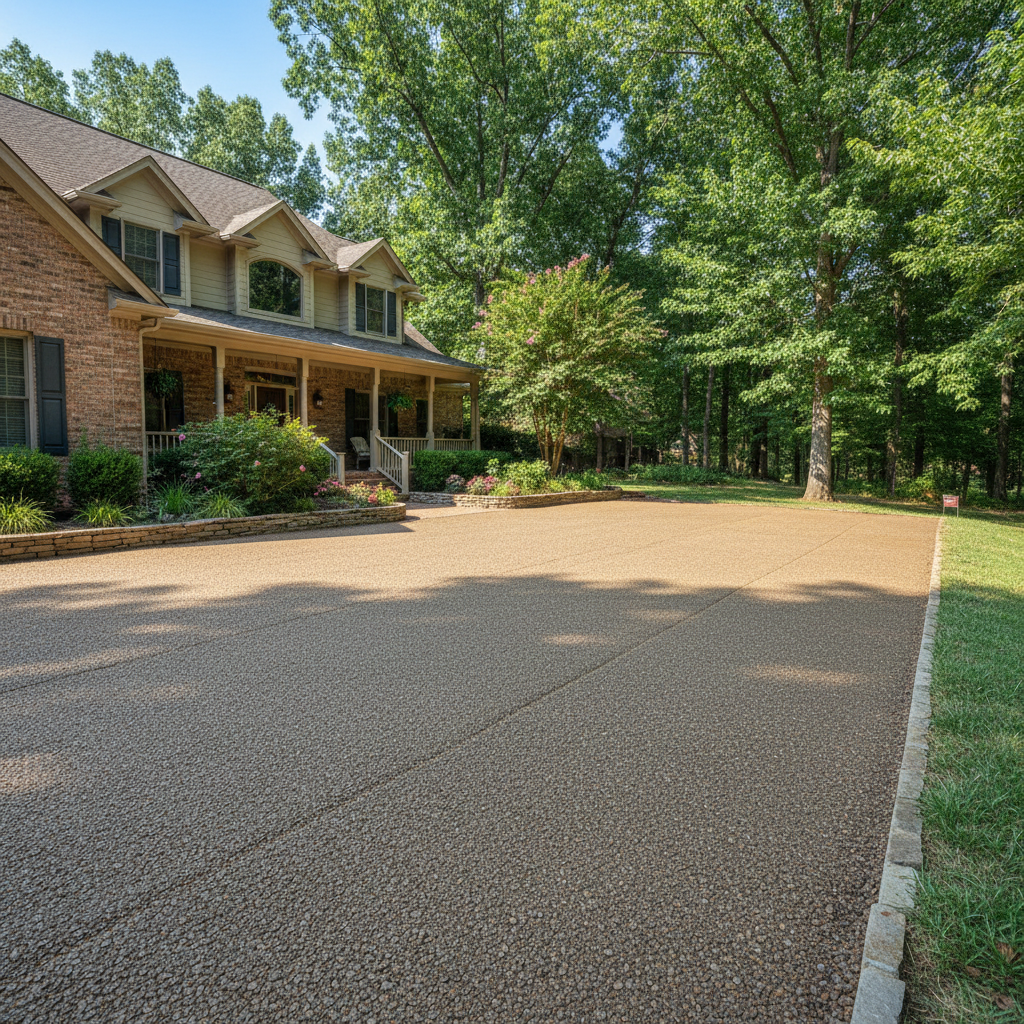
Alright, let's talk about asphalt milling. If you own a home in Fayetteville, you know our weather can be a real character. It throws everything at us, from humid, scorching summers to those icy, wet winters. That kind of climate really beats up your asphalt, leading to cracks, ruts, and uneven surfaces. That's exactly where milling comes in.
Milling isn't just some fancy term we use; it's how we get rid of that damaged top layer of asphalt without touching the good stuff underneath. It's super important for fixing those problems at their source, not just covering them up. This process uses specialized machines to grind up the old asphalt, creating a smooth, even surface that's ready for a fresh layer. It also helps keep your existing curb heights and drainage intact, which is a big deal for stopping water from pooling around your home—especially with our heavy spring rains, right?
When to Schedule Your Asphalt Milling Project
Timing is everything with asphalt work, and milling is no different. You can't just pick any random day and expect the best results. The sweet spot for asphalt milling and then paving in Fayetteville generally falls into two main windows:
- Late Spring: Once the ground has completely thawed and we're past the worst of the early spring rains, late spring is fantastic. Temperatures are rising, and the ground is stable. This means the base underneath won't be soft or soggy, which is vital for a solid foundation.
- Summer: This is prime time. Warm, consistent temperatures are ideal for working with asphalt. It helps the material compact and cure properly, leading to a more durable finish. Plus, longer daylight hours mean we can often get the job done more efficiently. Just know that extreme heat (think those really scorching July and August days where it hits 89-90°F) can make the asphalt a bit too soft. If we're working during those peak heat days, we might schedule work for cooler parts of the day, like early mornings.
- Early Fall: As the summer heat starts to back off, early fall offers mild temperatures and drier conditions. These are also great for asphalt work. The cooler evenings actually help the asphalt set up nicely. But you gotta plan ahead here. You don't want an early cold snap or unexpected frost to catch you by surprise.
What you really want to avoid is winter and early spring. Cold temperatures make asphalt brittle and difficult to compact properly. Plus, frozen or wet ground can mess with the foundation, leading to problems down the road.
Weather Conditions That Affect Milling
When we talk about milling, we're really talking about getting the surface ready for new asphalt. So, the conditions that affect the paving itself are super important. Here's what we're looking at:
- Temperature: For laying new asphalt after milling, the air temperature should ideally be at least 50°F and rising. The best results come when it's 70°F or higher. If it's too cold, the asphalt mix cools too fast, making it tough to get proper compaction and adhesion.
- Moisture: Rain is a no-go. Asphalt needs a dry surface to bond correctly. Moisture can get trapped, weaken the foundation, and lead to cracks. Fayetteville gets a fair amount of rain, with May being our wettest month, averaging around 4.9 to 6 inches. So, we're always keeping a close eye on the forecast.
- Wind: High winds can cool the asphalt mix too quickly, especially if the air temperature isn't super warm. This can affect how well it compacts.
- Ground Conditions: The ground needs to be stable and thawed. Our clay soils in Northwest Arkansas can hold a lot of moisture, and if the ground is frozen or saturated, it's not going to provide a good base for your new pavement.
Protecting Your Asphalt Investment Year-Round
Once you've got that fresh, smooth asphalt surface thanks to milling and a new overlay, you want it to last. Here's how to protect your investment:
- Spring Cleanup & Repair: After winter, check your asphalt for any new cracks or potholes caused by our freeze-thaw cycles. Get those cracks sealed and potholes patched early. This stops water from seeping into the base and causing bigger problems.
- Summer Sun Protection: Our Fayetteville summers are hot and humid. That intense sun and heat can dry out asphalt, making it brittle. Consider sealcoating during the warmer months. It protects against UV rays, moisture, and even oil spills, extending your pavement's life and keeping it looking good.
- Fall Prep for Winter: This is all about getting ready for the cold. Seal any cracks before temperatures drop to prevent water from freezing and expanding inside the pavement. Clear leaves and debris to prevent water from pooling. Proper drainage is always key.
- Winter Monitoring: While major work isn't happening, keep an eye on things. Avoid harsh chemicals or metal snowplows that can damage the surface. Make sure drainage areas are clear to prevent ice buildup and standing water.
Regular, seasonal maintenance isn't just about how it looks; it's about protecting your investment and stopping minor issues from becoming major, expensive headaches. If you're thinking about asphalt milling for your Fayetteville property, give Mighty Paving Solutions a call. We'll help you figure out the best time to get it done right.