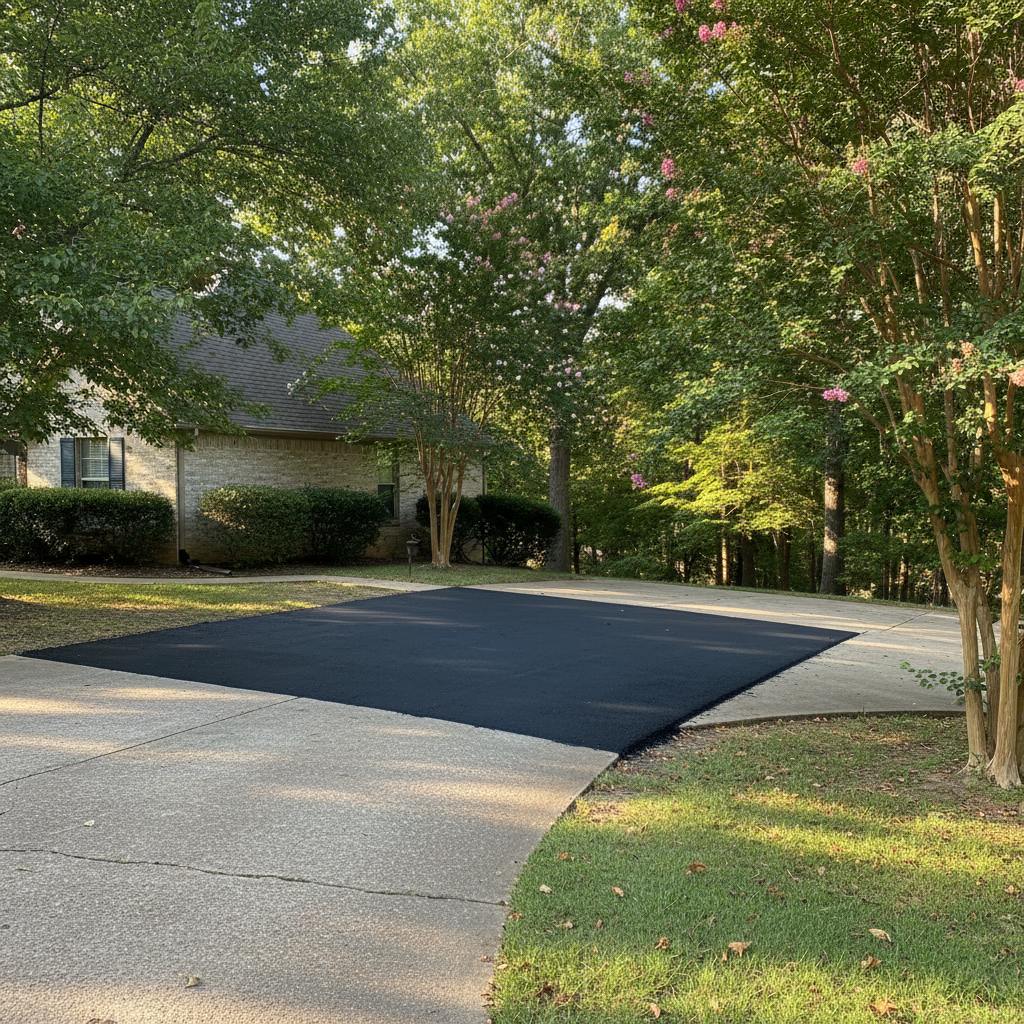
Got a pothole or a crack in your asphalt driveway? You're not the only one. Here in Fayetteville, our weather can really beat up pavement, and knowing *when* to fix those repairs is just as important as *how* you do it. I often see folks try to patch things up at the wrong time, and honestly, it just doesn't hold. So, let's chat about the best times to get that asphalt patching done and how to make sure it actually lasts.
When's the Best Time for Asphalt Patching?
Honestly, the sweet spot for asphalt patching here in Fayetteville is usually spring and fall. Why? It all comes down to temperature. Asphalt needs warmth to properly cure and bond, but not super extreme heat or cold. Think Goldilocks: not too hot, not too cold, just right.
- Spring (March to May): As soon as those freezing nights are consistently behind us, spring is prime time. The ground's thawed out, and daytime temperatures are usually in that ideal 50-85°F range. This lets the new asphalt mix compact well and bond tightly with the existing surface. Plus, you're getting ahead of the summer heat and heavy rains, which is always a good thing.
- Fall (September to November): Once those scorching summer days start to cool off, fall becomes another excellent window. Again, you're looking for consistent daytime temps above 50°F before the first hard freeze hits. Getting patches done in the fall means they'll have plenty of time to set before winter's freeze-thaw cycles really kick in.
Trying to patch in the dead of winter when it's freezing, or in the middle of a 100-degree August heatwave, is just asking for trouble. The material won't cure right, and you'll be patching it again sooner than you think, trust me.
Weather Conditions That Affect Your Patching Job
Beyond just the season, specific weather conditions play a huge role. I've seen too many DIY jobs, or even less experienced contractors, try to push through in bad weather, and it never, ever works out.
- Temperature: I already brought it up, but it's super important. For hot mix asphalt, you want ambient temperatures consistently above 50°F. For cold patch, you can sometimes get away with slightly cooler temps, but it's still best to avoid freezing conditions. The material needs to be pliable enough to compact properly, you know?
- Moisture: This is a big one. You absolutely cannot patch asphalt over wet surfaces. Water stops proper bonding. If it's been raining, or if there's standing water in the pothole, you need to let it dry out completely. Sometimes, even after a heavy dew, you'll need to wait a bit. Here in Northwest Arkansas, we get our fair share of rain, especially in spring, so patience is key.
- Wind: While not as critical as temperature or moisture, strong winds can cool down hot mix asphalt too quickly. That makes it harder to work with and compact effectively. It can also blow debris into your freshly prepped area, which is just annoying.
A good contractor, like us at Mighty Paving Solutions, will always check the forecast and reschedule if conditions aren't right. It's not about being difficult; it's about doing the job once and doing it right.
Protecting Your Asphalt Investment Year-Round
Getting your patches done at the right time is a great start, but protecting that investment means thinking year-round. Here's what I tell my clients:
- Keep it Clean: Regularly sweep off dirt, leaves, and other debris. This stops organic matter from breaking down and holding moisture against your asphalt, which can really speed up deterioration.
- Manage Drainage: Make sure water isn't pooling on your driveway. If you've got low spots where water collects, it's going to find its way into cracks and cause problems, especially with our freeze-thaw cycles. Sometimes, a simple patch can fix a low spot; other times, you might need a more extensive solution.
- Address Cracks Promptly: Don't wait for a small crack to become a big pothole. Crack sealing is a preventative measure that keeps water out of your asphalt's base layers. It's much cheaper to seal a crack than to patch a pothole, wouldn't you agree?
- Limit Heavy Loads: If you can, try to avoid parking extremely heavy vehicles (like RVs or commercial trucks) on your residential driveway for extended periods, especially in the same spot. This can cause rutting and cracking.
- Sealcoating (Every Few Years): While this post isn't specifically about sealcoating, it's a critical part of overall asphalt maintenance. A good sealcoat every 2-3 years protects your asphalt from UV rays, water, and chemicals, extending its life significantly. It's like sunscreen for your driveway.
Taking a proactive approach to your asphalt maintenance, especially with patching, will save you money and headaches down the road. It's all about understanding how our local climate impacts your pavement and acting accordingly. If you've got questions about a specific patch job, don't hesitate to give us a call.