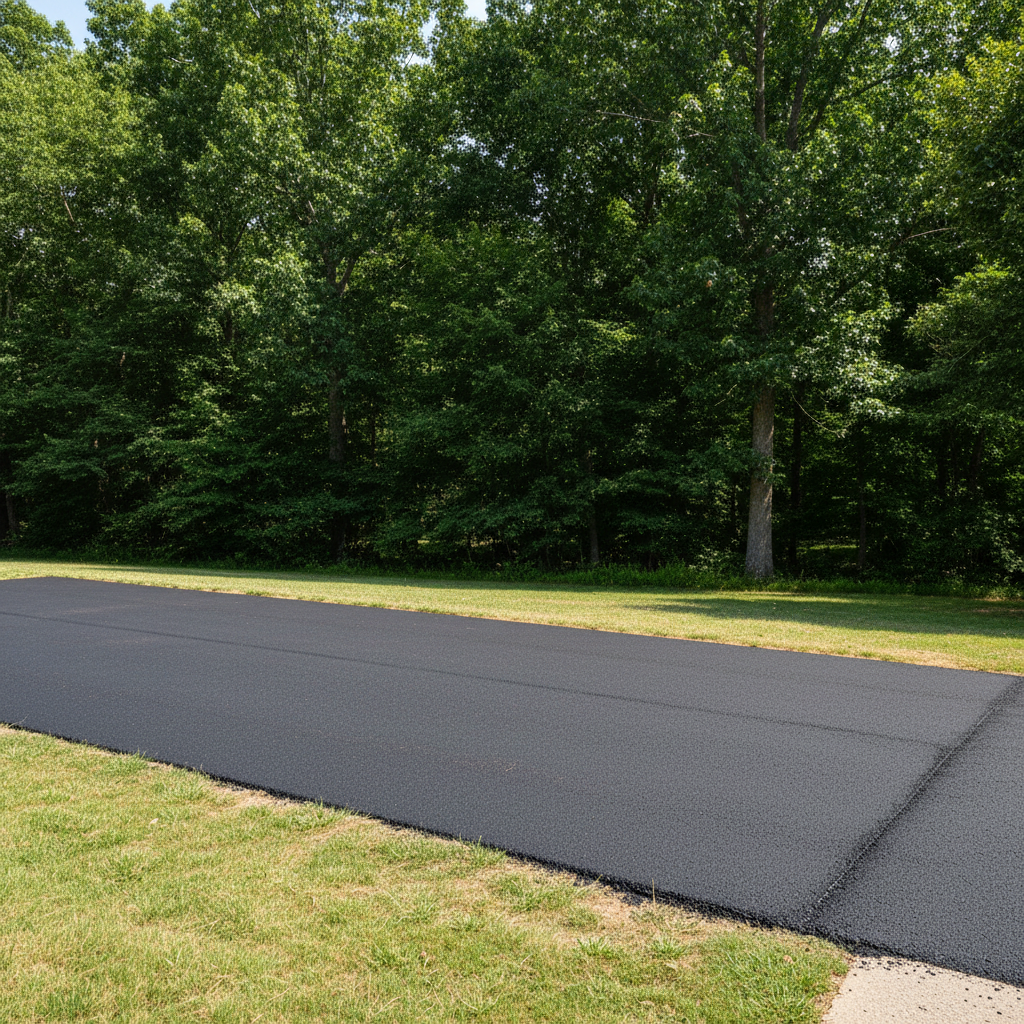
So, You've Had Asphalt Repair Done. Now What?
You've invested in getting your asphalt fixed, whether it was a small pothole or a bigger crack. That's a smart move, because ignoring those issues only makes them worse and more expensive down the road. But the repair itself isn't the finish line; it's more like the starting gun for keeping your pavement in top shape. Here in Fayetteville, with our hot summers and those occasional ice storms, regular maintenance isn't just a good idea, it's essential.
Extending the Life of Your Asphalt Repair
Once we've patched things up, you want that repair to blend in and hold strong for years. Here's what I tell my clients:
- Give it Time: Fresh asphalt, even a patch, needs time to cure. Try to keep heavy vehicles off it for at least 24-48 hours, sometimes longer if it's a really deep repair or if the weather's been particularly humid. You wouldn't walk on wet paint, right? Same idea here.
- Sealcoating is Your Friend: Think of sealcoating as sunscreen for your asphalt. It protects against UV rays, water penetration, and even chemicals like oil and gas. If you've just had repairs, wait about 6-12 months for the new asphalt to fully cure before applying a fresh sealcoat over the entire surface. This helps everything bond and creates a uniform look. Mighty Paving Solutions can handle that for you when the time comes.
- Proper Drainage: Water is asphalt's worst enemy. Make sure your gutters are clear, and your landscaping isn't directing water onto your paved areas. Standing water will seep into any tiny crack, freeze in winter, and expand, turning a small problem into a big one.
What Regular Maintenance Looks Like
This isn't rocket science, but it does require a little attention. You're not going to be out there with a jackhammer every weekend, don't worry.
- Keep it Clean: Sweep off leaves, dirt, and debris regularly. Organic matter holds moisture, and that's bad news. Plus, small stones and grit can abrade the surface over time.
- Address Spills Immediately: Oil, gas, and other automotive fluids can break down the asphalt binder. If you see a spill, clean it up quickly with an absorbent material.
- Small Crack Sealing: This is probably the most important thing you can do. Small cracks, especially those hairline ones that pop up, are entry points for water. Get them sealed as soon as you notice them. It's a relatively inexpensive fix that prevents much more costly repairs later.
- Edge Maintenance: The edges of your driveway or parking lot are often the weakest points. Keep grass and weeds from growing into the asphalt, as their roots can cause damage. A little weed killer or a trim goes a long way.
Warning Signs of Trouble
You're busy, I get it. But a quick walk-around your property every month or so can save you a lot of headache. Here's what to look for:
- New Cracks: Any new crack, no matter how small, is a potential problem. Radial cracks around a patch might mean the sub-base isn't stable.
- Potholes Reappearing: If a pothole we just fixed comes back quickly, it could indicate a deeper issue with the base layer or drainage. That's definitely a call to us.
- Fading or Discoloration: This usually means the sealcoat is wearing off and your asphalt is losing its protection. It'll start looking gray instead of black.
- Standing Water: After a rain, if you've got puddles hanging around for hours, that's a sign of poor drainage or settlement. Water will eventually find a way to undermine your pavement.
- Alligator Cracking: This looks like a series of interconnected cracks, resembling alligator skin. It's a serious sign that the sub-base has failed, and it's usually beyond a simple patch.
When to Call a Professional
Look, I'm a big believer in DIY when it makes sense, but some things are best left to the pros. You should definitely give us a call at Mighty Paving Solutions if:
- You see alligator cracking: As I said, this means a major structural issue. We'll need to assess the sub-base and likely do a cut-out and replace.
- Potholes keep coming back in the same spot: This points to a deeper problem that a surface patch won't fix.
- Large or Deep Cracks: Anything wider than about a quarter-inch or particularly deep needs professional attention. We have the right materials and techniques to ensure a lasting seal.
- Significant Drainage Issues: If water is consistently pooling or running in ways it shouldn't, we can help identify the cause and recommend solutions, whether it's regrading or installing drainage systems.
- You're not sure: Honestly, if you're looking at something and thinking,