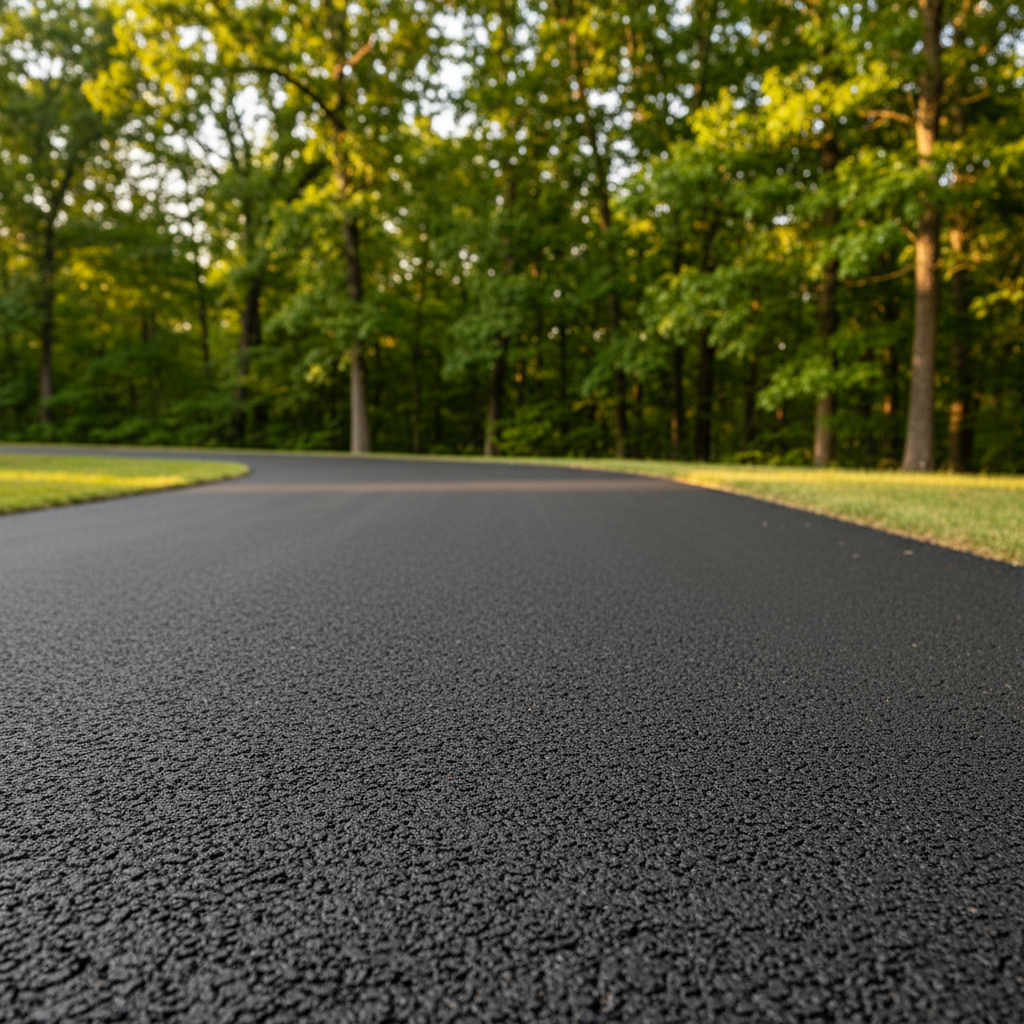
Got a big property here in Fayetteville? Maybe you've got a guest house, a detached garage, or just a whole lot of vehicles, and that little two-car driveway isn't quite cutting it anymore. You're probably thinking about a proper parking lot, something way beyond your standard residential driveway. That's a smart move, definitely, but it's a bigger project than most folks realize. Let's talk about what's involved, what you can handle yourself, and when you absolutely need to bring in the experts.
Before You Break Ground: Planning Your Parking Lot
Before any dirt gets moved, you've got to plan. And I mean *really* plan. This isn't just about pouring some asphalt; it's about making sure it lasts and actually does what it's supposed to do. Here's what I tell people to think about:
- Permits & Zoning: This one's huge. Even for your own property, adding a substantial paved area might need permits from the city of Fayetteville. That's especially true if it's a big space or if it changes how water drains. You really don't want to get halfway through and find yourself in hot water with code enforcement, believe me. Check with the city's planning department first, always.
- Drainage, Drainage, Drainage: I can't stress this enough. Northwest Arkansas gets a fair bit of rain, right? If your parking lot isn't designed to shed water properly, you're going to end up with standing water, erosion, and pavement that fails way too soon. You need to consider your land's slope and figure out exactly where that water will go. Is it going to pool against your house? Run off into your neighbor's yard? This needs some serious thought.
- Size & Layout: How many vehicles do you actually need to park? What kind of vehicles? Are you just parking cars, or do you need room for an RV or a boat? Think about turning radii and how easy it will be to get in and out. Sketch it out.
- Budget: Be realistic here. A parking lot is a significant investment. Get a clear idea of what you're willing to spend.
What can you DIY here? The planning and research part, absolutely. You can sketch layouts, measure your property, and definitely call the city about permits. You can even research different paving materials. But when it comes to designing a proper drainage plan that meets code and will actually work? That's usually where a pro's expertise really comes in handy.
During the Project: The Nitty-Gritty Work
Alright, plans are made, permits are (hopefully) in hand. Now comes the actual construction. This is where the line between DIY and calling a pro gets pretty clear, I think.
What You Might Be Able to DIY (with a lot of effort):
- Clearing & Minor Grading: If it's a relatively flat area and you're just clearing some brush or moving a little topsoil, you might be able to handle that. You could use rented equipment like a skid steer or even just good old-fashioned manual labor. Just be careful not to mess up your subgrade.
- Base Material Spreading: Once the subgrade is prepped, you'll need to lay down a good base layer of crushed aggregate. You can have this delivered and, with some heavy equipment (like a tractor with a box blade or a skid steer), you could potentially spread it yourself.
And that's about it for the realistic DIY stuff on a *parking lot* scale. Even then, you're talking about renting expensive equipment, knowing how to operate it, and understanding how to achieve proper compaction and grading. It's not like spreading mulch, after all.
When to Call the Pros (Almost Always for a Parking Lot):
- Major Excavation & Grading: If your land isn't flat, or you need to move a lot of dirt, you need professional heavy equipment and operators. Getting the subgrade right is absolutely critical for your pavement's longevity. If it's not properly graded and compacted, your parking lot will fail, guaranteed. We see this all the time, especially with the clay soils we have around here in Fayetteville; improper compaction leads to settlement and cracks.
- Drainage System Installation: Installing proper culverts, catch basins, and making sure the slope is right for water runoff is complex. This requires surveying, precise measurements, and often specialized equipment.
- Asphalt Paving: This is definitely a pro job. Laying asphalt isn't just dumping hot material on the ground. It requires specialized equipment like pavers and rollers, a crew that knows how to work with hot asphalt quickly, and expertise in getting the right thickness, compaction, and finish. Trying to DIY asphalt paving for anything larger than a small patch is a recipe for disaster and a huge waste of money.
- Concrete Paving: Same goes for concrete. While you might pour a small concrete slab for a shed, a large parking lot needs professional concrete trucks, experienced finishers, and proper joint placement to prevent cracking.
Look, I've seen folks try to cut corners, and it almost always ends up costing them more in the long run. A poorly laid parking lot will crack, heave, and drain improperly, leading to expensive repairs or even a full re-do much sooner than it should.
After the Paving: Maintenance Matters
Once your parking lot is in, whether you went asphalt or concrete, the work isn't entirely over. Maintenance is key to making it last.
- Asphalt Maintenance:
- Sealcoating: For asphalt, sealcoating every 2-3 years is crucial. It protects the surface from UV rays, water, and oil spills. Think of it like sunscreen for your pavement.
- Crack Sealing: Address cracks as soon as they show up. Water getting into cracks is asphalt's number one enemy, especially with our freeze-thaw cycles here in NWA.
- Patching: If you get potholes or larger damaged areas, patch them promptly.
- Concrete Maintenance:
- Joint Sealing: Make sure expansion joints are properly sealed to prevent water from getting in.
- Cleaning: Keep the surface clean to prevent staining and moss growth.
- Crack Repair: While concrete is tougher, cracks can still happen. Address them to prevent further damage.
Can you DIY maintenance? Absolutely, for some things. You can sweep and clean your parking lot. You can definitely keep an eye out for cracks and potholes. For small cracks, you might even be able to apply some crack filler yourself. But for larger crack sealing, patching, or sealcoating an entire parking lot, you're usually better off calling a professional. We've got the right materials and equipment to do it efficiently and effectively.
Building a parking lot is a big undertaking, no doubt. But with the right planning and by knowing when to call in the pros, you can get a durable, functional surface that adds value to your property. If you're in Fayetteville and thinking about a parking lot project, don't hesitate to reach out to Mighty Paving Solutions. We're happy to talk through your options and give you an honest assessment of what it'll take.