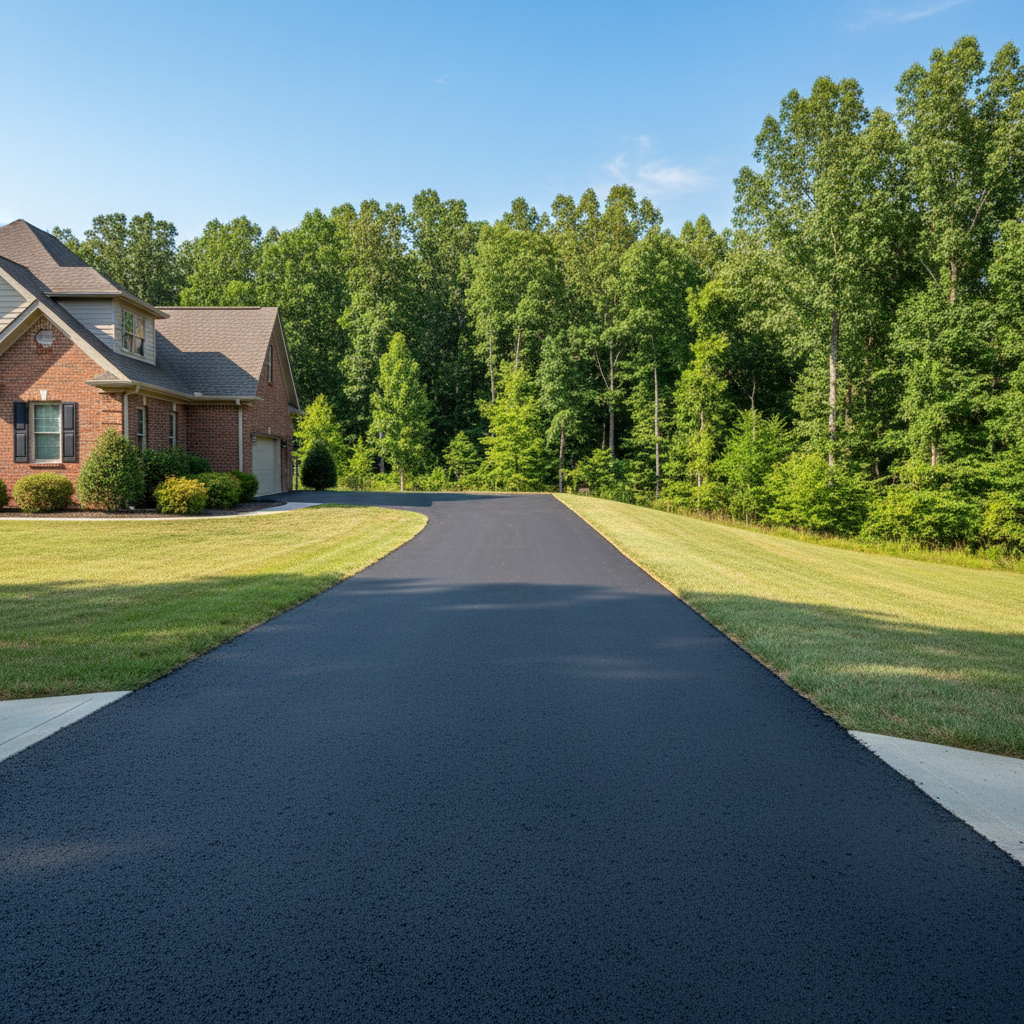
You shelled out good money for that asphalt driveway, didn't you? The last thing anyone wants is for it to start falling apart after just a few years. I see it constantly around Fayetteville, especially with our wild weather swings. Folks often think once it's paved, that's the end of it, but asphalt actually needs a little TLC to truly last.
Making Your Driveway Last: It's More Than Just Luck
First things first, let's chat about getting that asphalt to hold up. It's not brain surgery, honestly, but it does take some common sense and a bit of consistency. Think of it like taking care of your car; you wouldn't skip oil changes, right?
- Watch the Weight: Heavy vehicles are asphalt's arch-nemesis. If you own a big RV, a hefty work truck, or you're expecting a huge delivery, try to keep it from sitting in the exact same spot for days. This is especially true in the summer heat. That weight, mixed with high temperatures, can cause ruts and depressions.
- Drainage is Everything: Water is asphalt's biggest destroyer. Seriously. Make sure your driveway drains properly. If you spot puddles forming and just sitting there for long stretches, that's a major warning sign. Water seeping into cracks and underneath the pavement, especially when it freezes and thaws (which, let's be honest, happens plenty here in Fayetteville), will lift and break up your asphalt faster than anything else.
- Mind Your Edges: The edges of your driveway are often the weakest spots. Don't drive off them repeatedly. If you've got soft shoulders, maybe think about adding a little gravel or stone to give them some support.
What Regular Maintenance Looks Like for NWA Driveways
Okay, so what should you actually be doing? It's not an all-day job, but a few simple things can make a world of difference.
- Keep it Clean: Sweep off dirt, leaves, and other debris regularly. Organic stuff can hold moisture against the asphalt, and dirt can get ground into the surface, causing friction and wear.
- Address Spills Immediately: Oil, gas, and other chemicals are terrible for asphalt. They break down the binder that holds the aggregate together. If you have a spill, clean it up right away with an absorbent material like cat litter. Don't just let it sit there.
- Sealcoating (The Right Way): I know we've got other posts about sealcoating, but it's worth saying again: a good sealcoat every 2-3 years is your best defense against the Arkansas sun and winter freezes. It's like sunscreen for your driveway, protecting it from UV rays, water getting in, and oxidation. Just make sure it's done correctly, on a clean, dry surface, and with quality material.
Warning Signs That Scream 'Help!'
You don't need to be an expert to spot trouble. Your driveway will actually tell you when it's hurting. Here are some things to keep an eye out for:
- Cracks: Any cracks, big or small, are basically an open invitation for water. Hairline cracks are one thing, but if you see cracks wider than about a quarter-inch, or if they're forming a spiderweb pattern (we call that alligator cracking), you've definitely got a problem brewing.
- Potholes: These usually happen when water gets under the pavement through cracks, freezes, expands, and then thaws, leaving a void. If you spot a pothole, it needs attention sooner rather than later. They only ever get bigger.
- Fading and Discoloration: If your asphalt is looking gray instead of that nice deep black, it's a sign of oxidation. This means the binder is breaking down, and the surface is getting brittle. Sealcoating can often help here, but if it's really bad, you might need more extensive work.
- Soft Spots or Rutting: If you notice areas that feel soft or spongy when you drive over them, or if you see depressions where your tires usually sit, that's a sign of a base issue or severe asphalt fatigue.
- Standing Water: Like I said, puddles are bad news. If water isn't draining off your driveway, it's going to find a way in.
When to Call a Professional (Like Mighty Paving Solutions)
Look, I'm all for homeowners doing what they can, but there are times when you really need to bring in the pros. If you're seeing any of those major warning signs – widespread alligator cracking, significant potholes, or large areas of rutting – it's probably beyond a simple DIY fix.
You should definitely give us or another reputable contractor a call if:
- You have cracks that are too wide or too many for simple crack filler.
- Potholes are forming regularly, which usually points to a deeper issue with the base.
- Your driveway is showing major signs of fatigue, like widespread crumbling or raveling.
- You're noticing drainage issues that are causing water to pool.
- You're thinking about a full sealcoat, and you want it done right to make it last as long as possible.
We've worked on driveways all over Fayetteville, from the older homes in the historic district to the newer builds up near Wedington. We know exactly what our local climate, with its humid summers and icy winters, does to asphalt. Catching these problems early can save you a ton of money down the road. Don't wait until a small crack turns into a full-blown reconstruction project, okay?