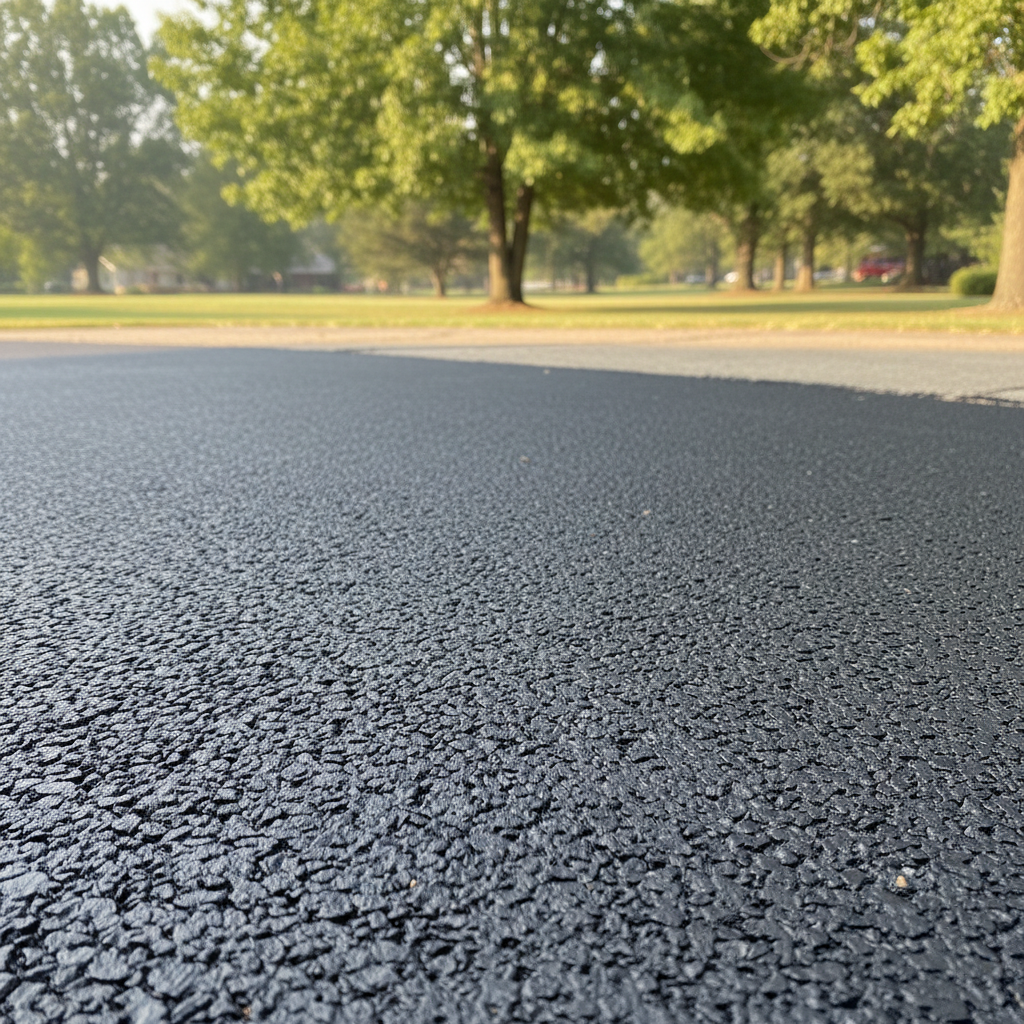
Why does my asphalt driveway even need patching?
Look, asphalt isn't invincible. It's a tough material, sure, but it takes a beating from the sun, rain, and especially our freeze-thaw cycles here in Northwest Arkansas. Water seeps into tiny cracks, freezes, expands, and then thaws, leaving bigger cracks and potholes. That constant expansion and contraction just wears it down over time. Plus, if you've got heavy vehicles, like a big RV or a delivery truck, regularly driving on it, that adds stress. Patching isn't just about making it look better; it's about stopping those small problems from turning into huge, expensive ones.
What's the difference between cold patch and hot patch? Which one should I use?
This is a big one. You'll see cold patch bags at the hardware store, and it's tempting to grab one. Cold patch is basically asphalt aggregate mixed with a petroleum solvent that keeps it workable at room temperature. You dump it in a hole, tamp it down, and it hardens as the solvent evaporates. It's a quick fix, good for emergencies or small, shallow potholes to prevent further damage until a real repair can be done. Think of it like a bandage. It'll get you by, but it's not a permanent solution.
Hot mix asphalt, or hot patch, is what we use for professional, lasting repairs. It's heated to hundreds of degrees, applied hot, and then compacted. When it cools, it forms a much stronger, more durable bond with the existing asphalt. It's what your original driveway was made of, and it's designed to last. For anything beyond a tiny, temporary fix, you really want hot patch. It's worth the investment.
When is the best time of year to patch my asphalt in Fayetteville?
For hot mix asphalt, you want warm, dry weather. That usually means spring, summer, and early fall here in Fayetteville. The asphalt needs to be dry for the new material to bond properly, and the warmer temperatures help it cure and compact effectively. Trying to do hot patching in the dead of winter, especially when the ground is frozen or it's constantly raining, is just asking for trouble. The patch won't adhere right, and you'll be back to square one pretty quickly. Cold patch can be used in colder temps, but again, it's a temporary fix.
Can I just patch my whole driveway instead of replacing it?
It depends on the extent of the damage. If you've got a few isolated potholes or cracks, then patching is absolutely the way to go. It's cost-effective and extends the life of your driveway. But if your driveway looks like a spiderweb of cracks, or it's got significant areas of crumbling, rutting, or alligator cracking across a large percentage of its surface, then patching might just be throwing good money after bad. At that point, you're probably looking at needing an overlay or even a full replacement. We'll always give you an honest assessment. Sometimes, especially with older driveways in neighborhoods like those up near Mount Sequoyah, the base might be failing, and no amount of patching will fix that underlying issue.
How long does an asphalt patch last?
A well-done hot asphalt patch, applied correctly by professionals like us at Mighty Paving Solutions, can last for many years. We're talking 5-10 years, sometimes even longer, especially if you maintain your driveway with regular sealcoating. The key is proper preparation: cleaning the area, cutting out the damaged sections, and making sure the new asphalt is properly compacted. If you just dump cold patch in a hole and don't compact it well, it might only last a few months before it starts breaking apart again. Quality matters, plain and simple.
What should I look for in a contractor for asphalt patching?
Don't just pick the cheapest bid. Look for someone with a good track record and local references. You want a contractor who: 1) Doesn't just fill the hole, but properly cleans and prepares the area, often cutting out the damaged section to create clean edges. 2) Uses quality hot mix asphalt, not just cold patch for everything. 3) Has the right equipment for compaction – a tamper for small patches, a roller for bigger ones. 4) Gives you a written estimate that details the work. And honestly, someone who communicates clearly and answers your questions. We pride ourselves on that at Mighty Paving Solutions. We're not just here to lay asphalt; we're here to solve your paving problems right.
After patching, what's next for my driveway?
Once your patches are done and have had a chance to cure, usually a few weeks, you should definitely consider sealcoating your entire driveway. Sealcoating is like sunscreen for your asphalt. It protects it from UV rays, water penetration, and oil spills, which are all big enemies of asphalt. It also makes your driveway look fresh and new again. Think of patching as fixing the specific wounds, and sealcoating as giving your whole driveway a protective shield. It's the best way to maximize the life of your asphalt and protect your investment.
How much does asphalt patching cost in Fayetteville?
This is probably the most common question, and it's tough to give a one-size-fits-all answer without seeing the job. Patching costs depend on several factors: the size and depth of the area needing repair, the type of patch material used (hot mix is more expensive but lasts longer), the amount of preparation needed, and how accessible the area is. A small pothole might be a couple hundred bucks, but a larger, more complex repair could be significantly more. We always recommend getting an on-site estimate. That way, we can properly assess the damage and give you an accurate price for a lasting repair.