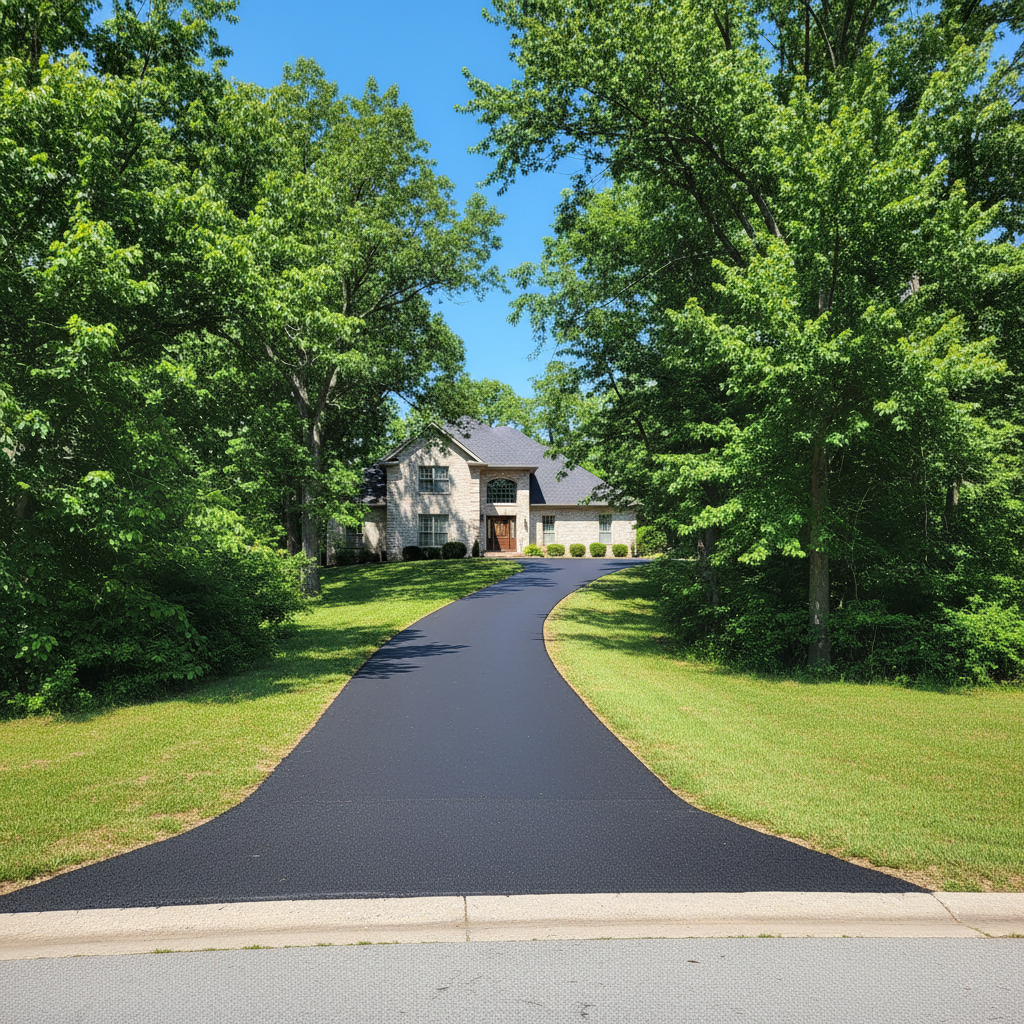
Alright, let's talk driveways. You've got one, I've paved a bunch of 'em around Fayetteville, and we both know they're not just pretty pathways. They're an investment, and they work hard, especially with our wild Arkansas weather. So, how do you make sure that investment lasts? It's not rocket science, but it does take a little regular attention. Think of it like taking care of your truck – a little preventative maintenance goes a long way, right?
Extend Your Driveway's Life: Simple Habits for Longevity
The biggest secret to a long-lasting driveway, whether it's asphalt or concrete, is to be proactive. Our climate here in Fayetteville, with its hot, muggy summers and cold winters, really puts pavement to the test. We get those scorching 90-degree days, sometimes even pushing 97, and then winter can drop us down to the teens or even lower. That constant expansion and contraction is tough on materials, isn't it?
- Keep it Clean: Sounds basic, doesn't it? But leaves, dirt, and debris can trap moisture against your driveway. In the summer, that trapped moisture combined with heat can weaken the surface. A quick sweep once a week, especially after a storm, helps a lot.
- Watch for Spills: Oil, gas, and other chemicals are bad news for asphalt and can stain concrete. Clean them up as fast as you can. For asphalt, oil can eat away at the binder.
- Mind the Weight: Try not to park heavy vehicles or equipment in the same spot for too long, especially during our hot summers. Asphalt can soften when it's really hot, and constant heavy pressure can cause rutting.
- Trim Those Edges: If you've got grass or weeds growing along the edges, keep 'em trimmed. Roots can work their way under your pavement and cause damage over time.
Regular Maintenance: Your Seasonal Checklist
You don't need to be out there every day, but a little seasonal check-up can save you big headaches down the road.
- Spring: After the winter thaw, look for new cracks or small potholes. Our freeze-thaw cycles are notorious for making small problems bigger. Fill any small cracks you find right away. Water is the enemy, and cracks are its entryway.
- Summer: Keep an eye on drainage. Those heavy afternoon thunderstorms we get can really dump a lot of water. Make sure water isn't pooling anywhere on your driveway. If it is, that's a problem that needs addressing, as standing water accelerates deterioration. If your asphalt driveway gets a lot of direct sun, a sealcoat every few years is a good idea to protect against UV rays and moisture.
- Fall: Clear all leaves and organic matter. They hold moisture and can lead to staining or degradation. This is another good time to check for any cracks that might have developed over the hot summer.
- Winter: Be careful with de-icing salts. While they help melt ice, some can be harsh on pavement, especially concrete. Use them sparingly and choose products that are less corrosive. Shovel snow promptly to prevent prolonged moisture exposure.
Warning Signs: Don't Ignore These Red Flags
Your driveway will usually tell you when it's hurting. You just gotta know what to look for.
- Cracks: Any cracks are a warning sign. Small hairline cracks can let water in, which leads to bigger cracks and potholes, especially with our temperature swings. If you see a lot of them, or they're getting wider, it's time to act.
- Potholes: These are beyond a warning sign; they're a full-blown problem. They form when water gets under the surface, freezes, expands, and then traffic breaks down the weakened area. Don't wait on potholes; they only get worse.
- Fading or Discoloration: For asphalt, this often means the surface is oxidizing and becoming brittle from sun exposure. For concrete, it might just be age, but it can also signal surface wear.
- Pooling Water: If you've got puddles hanging around after a rain, your driveway isn't draining correctly. This can erode the base material and lead to bigger structural issues.
- Uneven Surfaces or Sinking Spots: This is a big one. If parts of your driveway are sinking or becoming uneven, it usually means there's a problem with the base or the soil underneath. This could be due to erosion, poor compaction, or even tree roots.
- Crumbling Edges: The edges of your driveway are often the most vulnerable. If they're breaking apart, they're losing support and can indicate a wider issue.
When to Call Mighty Paving Solutions (or Another Pro)
Look, some things you can tackle yourself, like sweeping or filling a tiny crack. But there are times when you really need to bring in the pros.
- Large or Numerous Cracks: If cracks are wider than a quarter-inch, or you've got a spiderweb pattern, you're probably dealing with something more than a surface issue. Professionals can assess the cause and recommend the right repair, like routing and filling or even localized patching.
- Potholes: While you can temporarily patch small ones, for lasting results, especially with our heavy rains, a professional repair ensures proper compaction and material integration.
- Significant Unevenness or Sinking: If your driveway is noticeably sinking or has large unlevel sections, that's a structural problem. This often requires specialized equipment and expertise to fix the underlying issue, whether it's regrading, base repair, or even concrete lifting techniques like polyjacking. Trying to DIY this usually just wastes time and money.
- Drainage Issues: If water is consistently pooling and you can't figure out why, a professional can evaluate the grading and suggest solutions like installing drains or re-sloping. Proper drainage is critical to preventing long-term damage.
- Anytime You're Unsure: Seriously, if you're looking at your driveway and scratching your head, just give us a call. It's better to get an expert opinion early than to let a small problem turn into a full-blown replacement job. We've seen it all, from the red clay soil shifting under foundations to driveways that have taken a beating from years of severe weather. We can tell you what's going on and what your best options are.
Your driveway works hard for you every day. A little attention and knowing when to call in the cavalry will keep it serving you well for years to come.